We check every figure against the document it cites, and we say so when a source is missing.
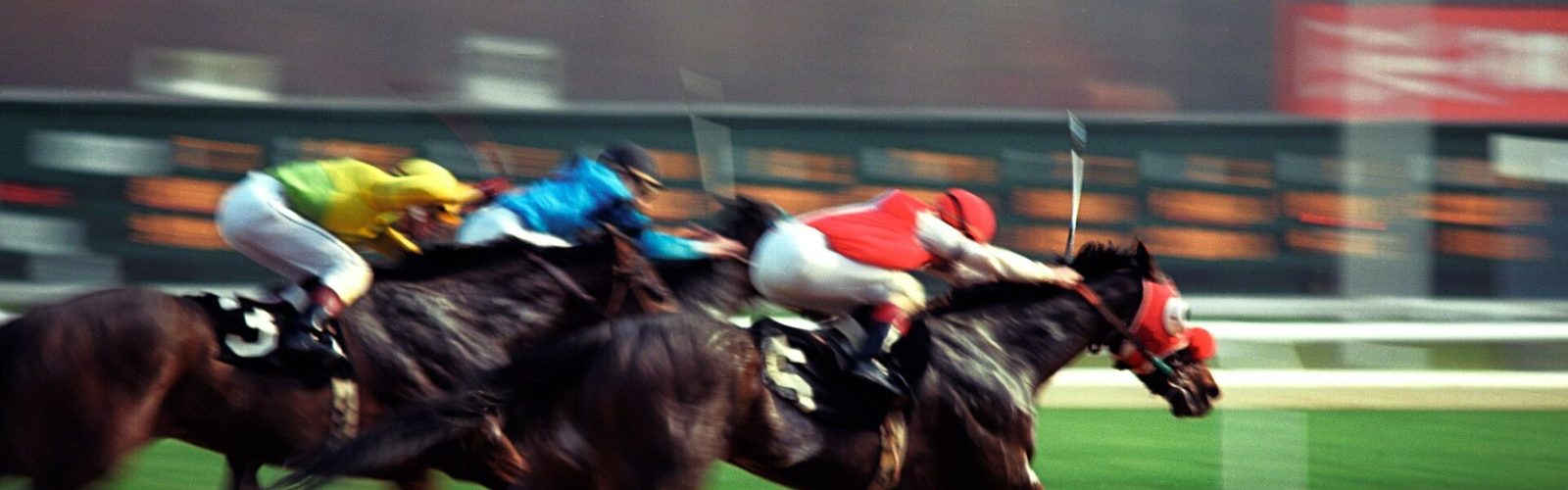
The finish of a horse race: the moment a win bet and a place bet are decided. Photo: MJ Boswell from Annapolis, Md, USA · CC BY 2.0 · source
04
EBGT
Betting
Sportsbooks, odds and market tactics
Sportsbooks, prices and the way a market is built. An odds line is a price with a margin in it, and the same selection can carry a different margin at two books on the same afternoon; the pages here work through how that margin is read off a price and what it costs over a season.
Market tactics are covered as arithmetic, not as systems. Bet builders, in-play pricing and cash-out offers all change the shape of a bet, and each page sets out what the operator’s own terms say about how the price is calculated.
A bet placed with an on-course bookmaker in Ireland locks in an agreed fixed price, whereas a Tote ticket enters a communal pool that is settled only after the event concludes.
Each-way betting in Ireland follows standard terms set out by Horse Racing Ireland. The structure itself is straightforward: a punter places two separate wagers of equal value on one horse, one covering the outright win and the other covering a finishing place.
A three-horse race can produce only one winner, yet the implied probabilities calculated from a bookmaker's odds board routinely sum to more than 100%.
Your phone buzzes. The game is live. Your team leads by one. A bright button pops up: “Cash Out €162 now.” Your stake was €100. Do you tap it? Or do you let it ride?
It is Monday night. Your app lights up. A big game is on. The Bet Builder nudges you: pick the star QB to throw for 250+, the top WR to score, your team to win. The price looks juicy. It is one tap away.
Let's enter the realm of eSports betting and discover how to separate it from sports betting.
Q&A
EBGT editorial desk
Written and checked by the EBGT desk. Figures, dates and licence details come from the document each page cites; where there is no source, we leave the field out.